
Women & Figures in Gustav Klimt Paintings
Showing 17–25 of 25 results
-
Sale!
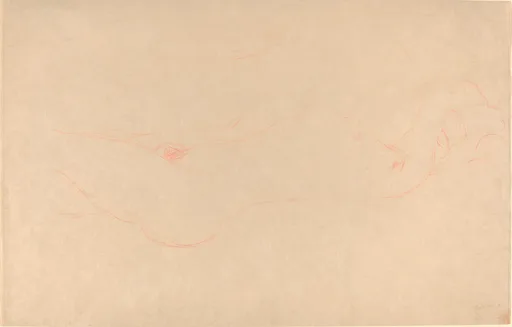
Reclining Woman
From $87 -
Sale!
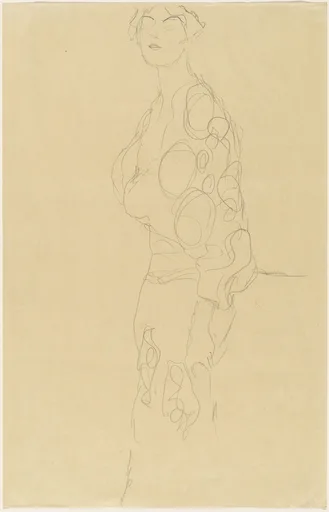
Standing Woman
From $87 -
Sale!
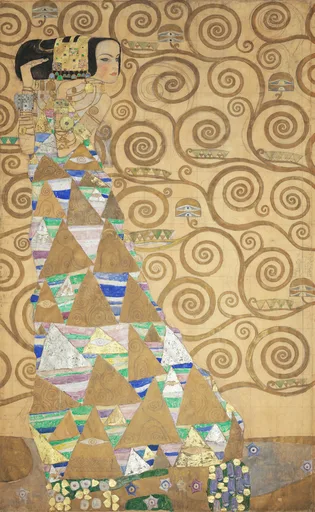
Stoclet Frieze: The Expectation (Dancer)
From $87 -
Sale!
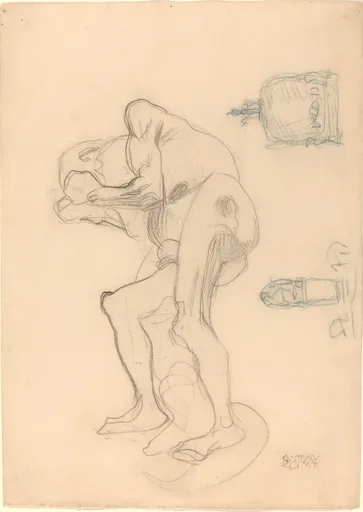
Study of a Nude Old Woman Clenching Her Fists, and Two Decorative Objects
From $87 -
Sale!
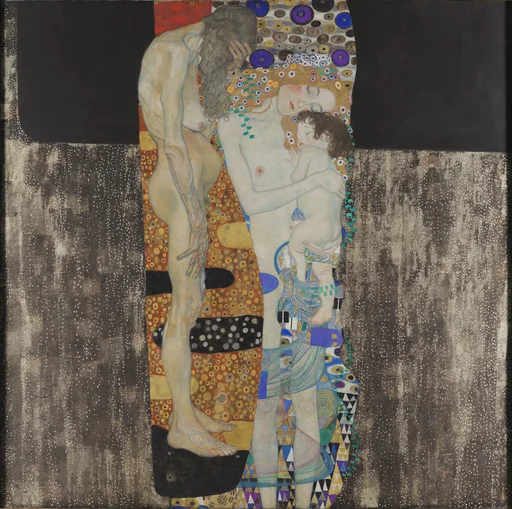
The Three Ages of Woman
From $87 -
Sale!
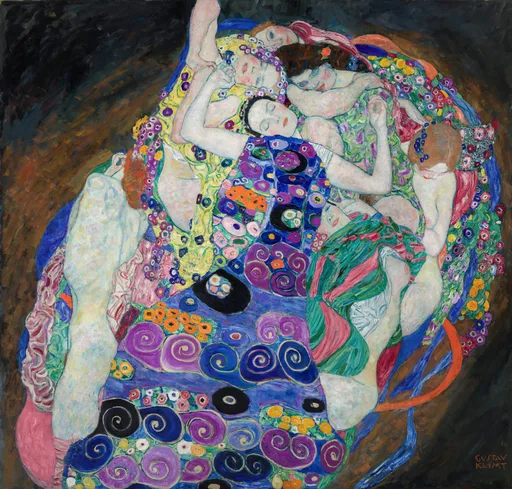
The Virgin
From $87 -
Sale!
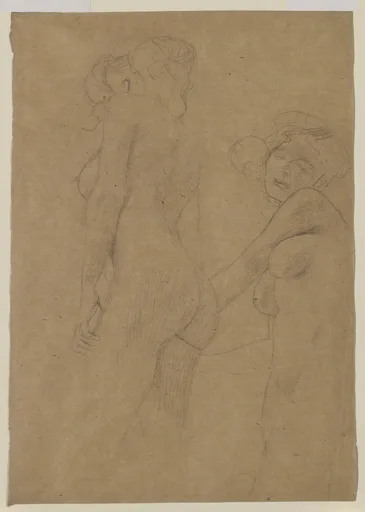
Two Female Nudes Standing
From $87 -
Sale!
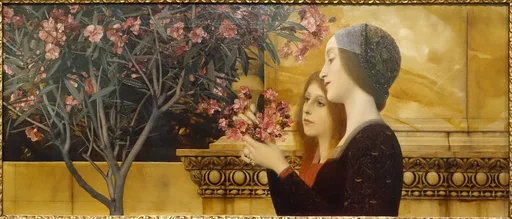
Two Girls with Oleander
From $87 -
Sale!
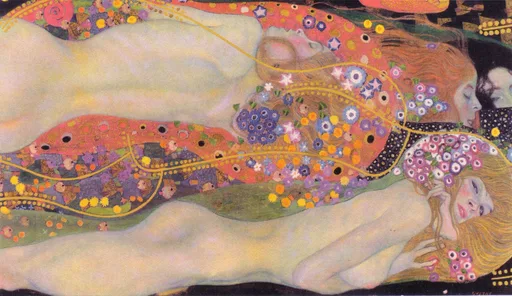
Water Snakes II
From $87
Klimt's women appear in two kinds of picture. In the portraits, a named woman sits for her likeness. In the pictures gathered here, the woman is a figure: asleep, floating in water, pregnant, dancing, ageing, embracing a friend. These are the paintings that made Klimt controversial in his lifetime, together with the drawings he made from models in his studio, of which thousands survive.
What the female figure means in Klimt's work
Around the turn of the century Klimt began to paint women as forces rather than characters. Moving Water (1898) and Goldfish (1902) float their nudes in streams of water and gold; Klimt had wanted to call Goldfish To My Critics. Hope I (1903) shows a pregnant woman in profile, unashamed, against a dark ground of masks and a skull, and The Three Ages of Woman (1905) sets a mother and her sleeping child beside an old woman bent with age.
In the gold years the figures are wrapped in ornament. Girlfriends (Water Serpents I) (1904) and Water Snakes II (1904-1907) drift among gold and water creatures, Danaë (1907) curls asleep inside a fall of gold, and Hope II (Vision) (1907-1908) bows her head over her pregnant body inside a robe of coloured circles. Later the colour turns to purple, pink and green. The Virgin (1913) is a heap of sleeping women in bright patterned cloth, and Bride (1917), left unfinished, shows Klimt still working out a crowded composition of bodies and drapery.
The pencil studies, such as Reclining Woman (c. 1909) and Standing Woman (c. 1910), show the same bodies at their simplest: a contour, a fold of cloth, nothing else. More of them are in Drawings.
How each reproduction is made to order
For the hand-painted oil reproduction, an artist paints the picture from scratch in oil on canvas, using the museum's open-access photograph, and takes the time Klimt's skin tones need: thin, pale layers next to flat ornament. The archival canvas print is a giclée of the same photograph in pigment inks, and the best choice for the drawings, whose fine pencil line it keeps exactly. Neither edition uses metal leaf, so the gold is suggested with paint or printed colour.
Several works here include nudity, so think about where the piece will hang. A hand-painted canvas is photographed before it ships, so you can approve it.
Frequently asked questions
What is the difference between this collection and Portraits?
Portraits holds Klimt's likenesses of named sitters, such as Adele Bloch-Bauer and Emilie Flöge. Women & Figures holds the women he painted as figures: allegories, sleepers, nudes, mothers and studies from the model.
Which are the best-known paintings here?
Danaë, Hope II (Vision), The Three Ages of Woman and Girlfriends (Water Serpents I). Mother with Two Children (Family) and Dusk (Lady at the Fireplace) are quieter, clothed alternatives.
Can I order a drawing as an oil painting?
Yes. The artist paints it in oil, following the pencil lines and the tone of the paper. If you want the drawing to look like a drawing, the archival canvas print keeps the line closest to the original.