
Allegory & Symbolism Collection: Gustav Klimt Oil Painting Reproductions
Paintings in which Klimt gives an idea a body: Truth holding up a mirror, Hope as a pregnant woman, love as an embrace in gold, Death facing a tangle of sleepers, and the Beethoven Frieze’s long story of longing and joy.
Showing 1–16 of 24 results
-
Sale!
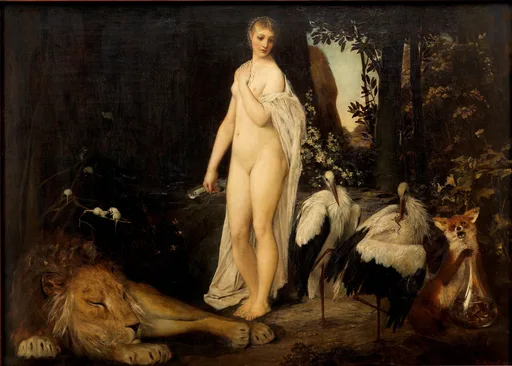
Allegory of Fable
From $87 -
Sale!
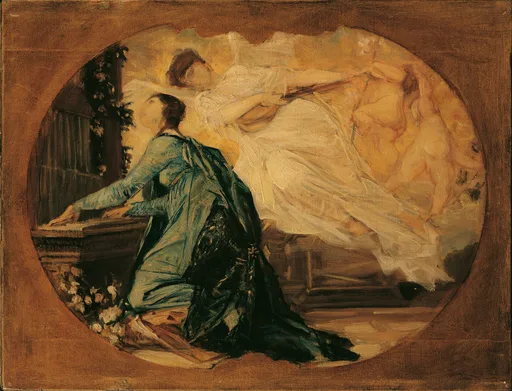
Allegory of Sacred Music (Female Organ Player)
From $87 -
Sale!
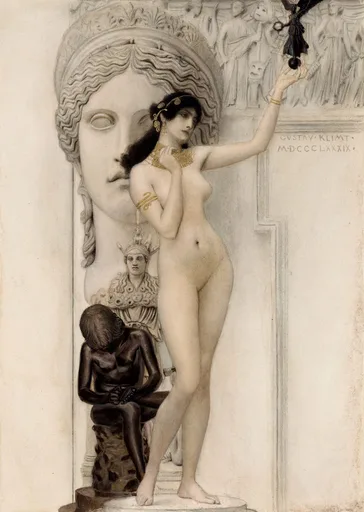
Allegory of Sculpture
From $87 -
Sale!
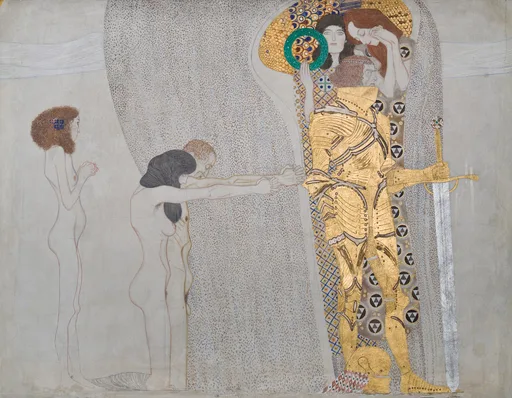
Beethoven Frieze: “The Sufferings of Weak Humanity” and “The Well-Armed Strongman” (Panel 3, left side wall)
From $87 -
Sale!
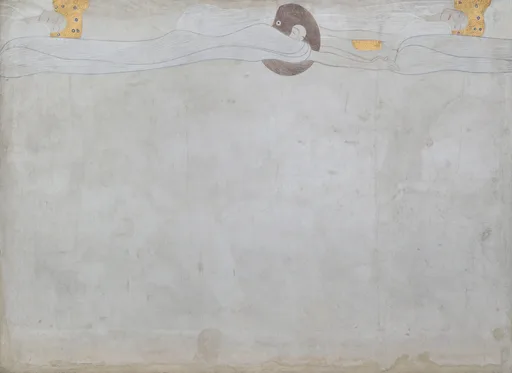
Beethoven Frieze: Longing for Happiness – Panel 1, left sidewall
From $87 -
Sale!
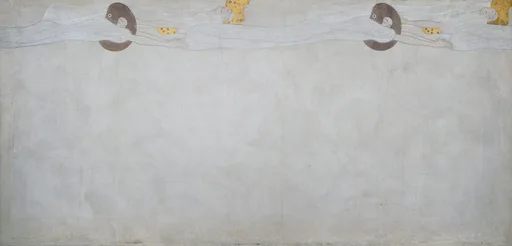
Beethoven Frieze: Longing for Happiness – Panel 2, left side wall
From $87 -
Sale!
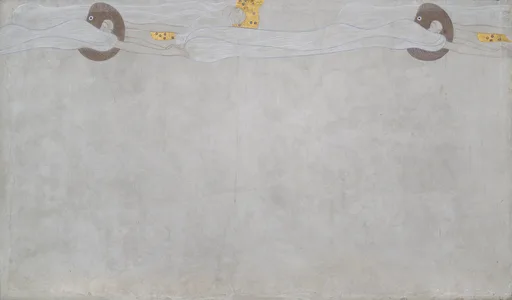
Beethoven Frieze: Longing for Happiness – Panel 4, left side wall
From $87 -
Sale!
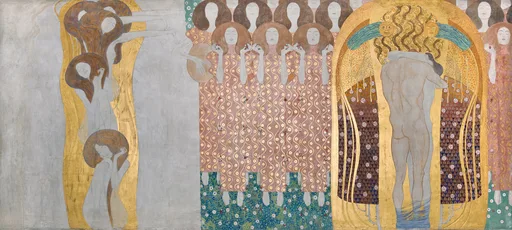
Beethoven Frieze: The Arts, Paradise Choir and The Embracement – Panel 8, right sidewall
From $87 -
Sale!
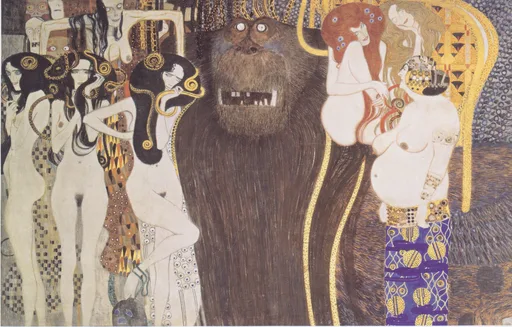
Beethoven Frieze: The Hostile Powers – Panel 5, short wall
From $87 -
Sale!
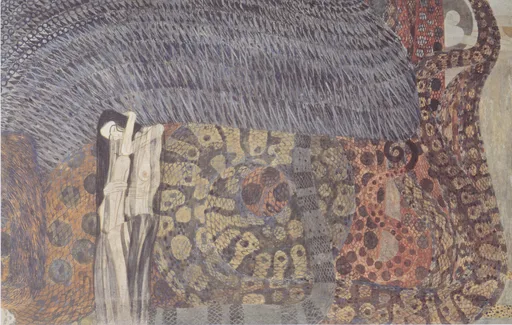
Beethoven Frieze: The Hostile Powers – Panel 6, short wall
From $87 -
Sale!
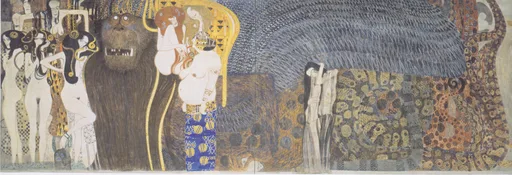
Beethoven Frieze: The Hostile Powers – Panels 5 and 6, short wall
From $87 -
Sale!
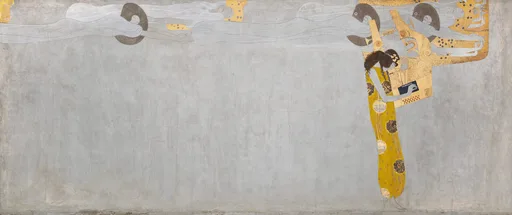
Beethoven Frieze: The Longing for Happiness Finds Appeasement in Poetry – Panel 7, right sidewall
From $87 -
Sale!
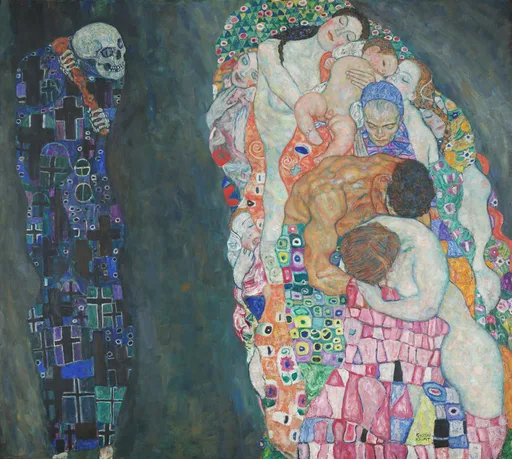
Death and Life
From $87 -
Sale!
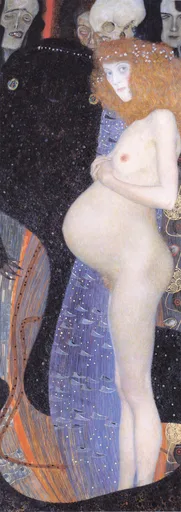
Hope I
From $87 -
Sale!
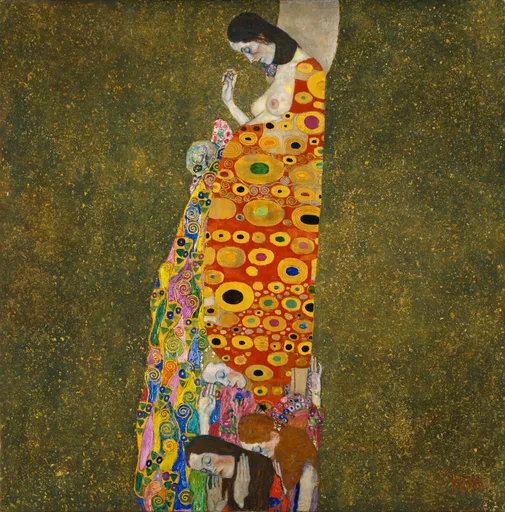
Hope II (Vision)
From $87 -
Sale!
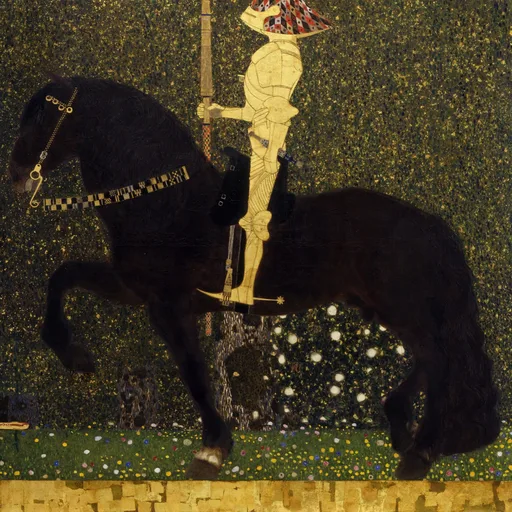
Life is a Struggle (The Golden Knight)
From $87
For Klimt, an idea was best painted as a person. Truth, Hope, Music, Death, the ages of a woman's life: in each picture here an abstract theme takes the shape of a figure, often a woman, and the ornament around it carries the rest of the meaning. The later ones stand at the centre of the Vienna Secession, and they made Klimt its most argued-over painter.
What allegory means in Klimt's work
Klimt learned allegory as a trade. Allegory of Fable (1883), Allegory of Sacred Music (Female Organ Player) (1884) and Allegory of Sculpture (1889) were made for publications and decorations in the academic style of the time, with lions, storks and classical statues as props. From 1899 the tone changes. Nuda Veritas (1899) is a red-haired nude holding up a mirror to the viewer, under a line from Schiller painted above her: if you cannot please everyone with your work, please a few, because pleasing many is bad.
The Beethoven Frieze, painted for the Secession's exhibition of 1902, turns the Ninth Symphony into a sequence of figures: suffering humanity, a knight in golden armour, the Hostile Powers with the giant Typhoeus and the Gorgons, and at the end Poetry, a choir and a kiss. Life is a Struggle (The Golden Knight) (1903) gives the knight a painting of his own.
Birth and age follow. Hope I (1903), The Three Ages of Woman (1905) and Hope II (Vision) (1907-1908) show pregnancy, motherhood and old age without euphemism. The Kiss (Lovers) (c. 1907-1909) wraps a couple in gold at the edge of a flowering meadow, and Death and Life (1910-1915) sets Death, in a robe of crosses, against a tangle of sleeping bodies. Klimt's last great decorative scheme, the Stoclet Frieze, survives here in his designs for the Tree of Life (1910-1911), the Expectation (1911) and the Fulfillment (1911).
Much of the meaning sits in the ornament: the black and white rectangles of the man's robe in The Kiss against the woman's circles and flowers, the crosses on Death's cloak, the eyes and triangles on the dancer's dress in the Expectation.
How each reproduction is made to order
The hand-painted oil reproduction is painted from scratch by an artist, in oil on canvas, after the museum's open-access photograph. Faces and hands are modelled softly, as Klimt did, and the ornament is laid on flat. The archival canvas print is a giclée of the same photograph in pigment inks. Neither edition uses gold leaf: the gold is built with paint or printed as colour. Sizes keep the original proportions, from the square of The Kiss to the long Beethoven panels and the tall Stoclet designs.
Each canvas is made after you order it. A hand-painted piece is photographed before it ships, for your approval, and can be corrected before it leaves.
Frequently asked questions
What do the allegories mean?
Each picture names its theme in the title: truth in Nuda Veritas, hope in Hope I and II, the stages of life in The Three Ages of Woman. Klimt seldom explained more than that, and the ornament around the figures carries much of the rest.
Is The Kiss an allegory?
It is often read as one: a couple without names or setting, made universal by the gold around them. Its story and details are on our page about The Kiss.
Which allegory suits a living room?
The Kiss and the Stoclet Tree of Life are the easiest to live with. Death and Life and the Hostile Powers panels are darker subjects, better for a wall you choose deliberately.