
Office & Study Art Collection: Gustav Klimt Oil Painting Reproductions
Klimt for a study or home office: music and theatre, Pallas Athene, goddess of wisdom, sitters in white and grey, Kammer Castle and the farmhouses of Upper Austria, and a poplar under a coming storm.
Showing 1–16 of 18 results
-
Sale!
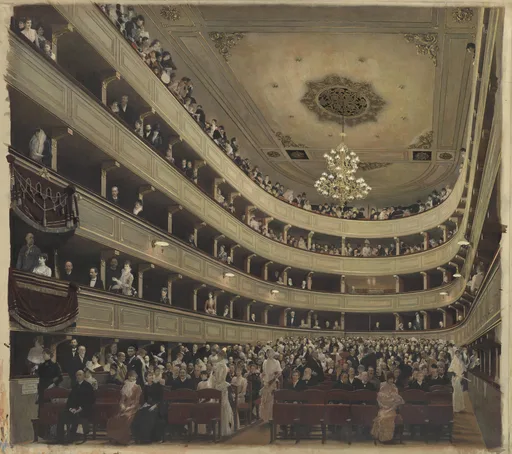
Auditorium of the Old Burgtheater
From $87 -
Sale!
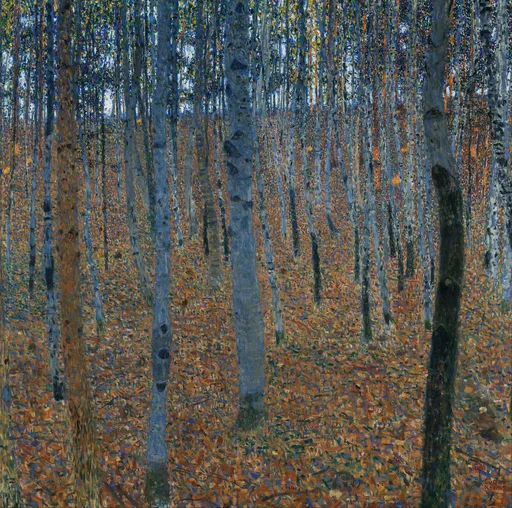
Beech Forest I
From $87 -
Sale!
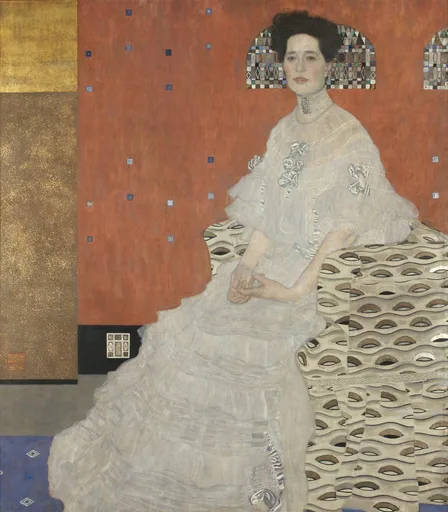
Fritza Riedler
From $87 -
Sale!
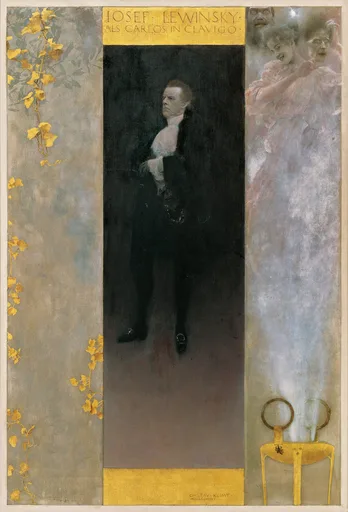
Josef Lewinsky as Carlos in Clavigo
From $87 -
Sale!
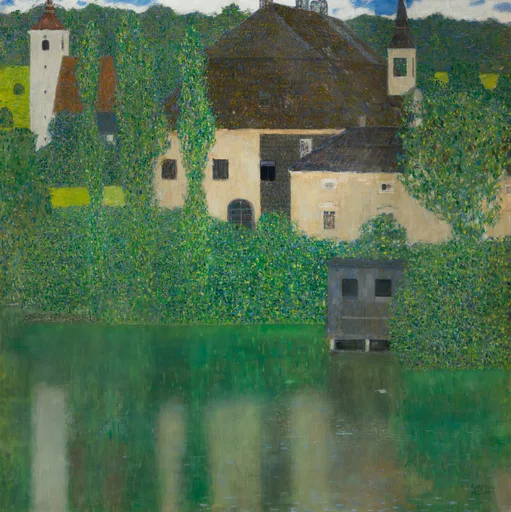
Kammer Castle on the Attersee I
From $87 -
Sale!
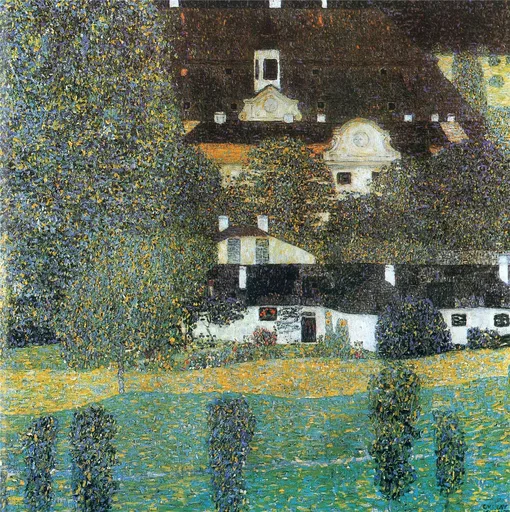
Kammer Castle on the Attersee II
From $87 -
Sale!
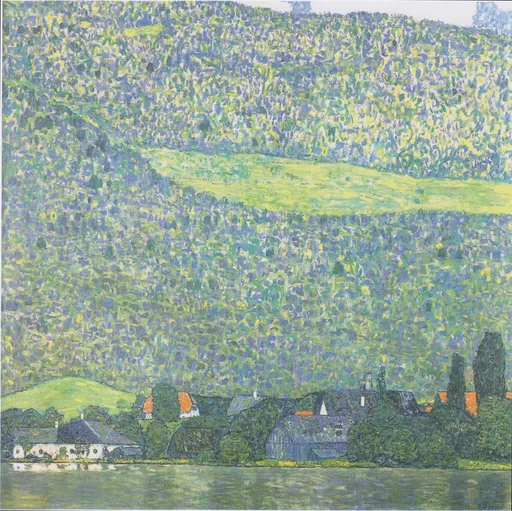
Litzlberg on the Attersee
From $87 -
Sale!
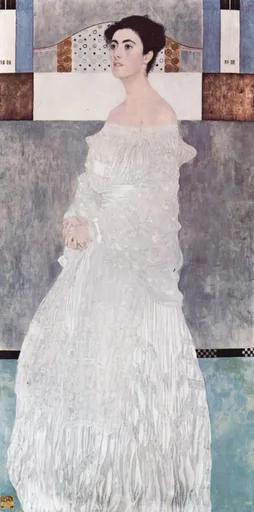
Margaret Stonborough-Wittgenstein
From $87 -
Sale!
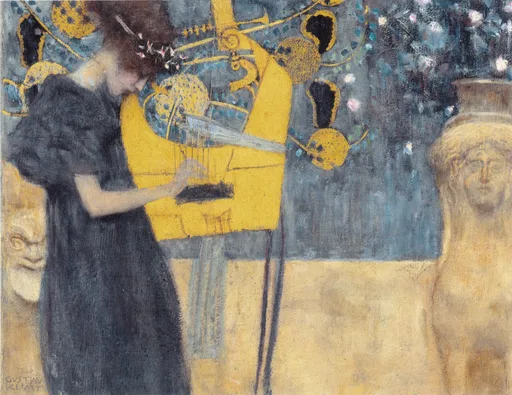
Music (Study)
From $87 -
Sale!
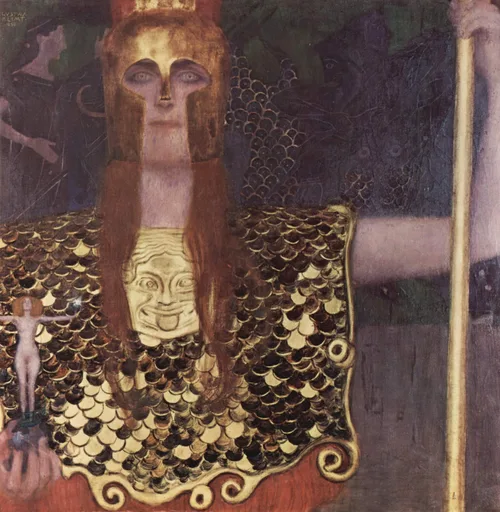
Pallas Athene
From $87 -
Sale!
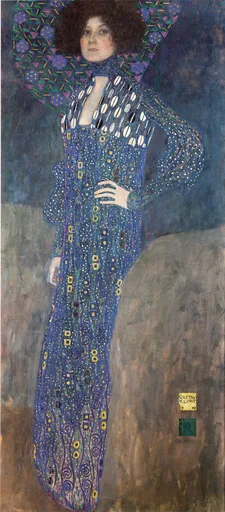
Portrait of Emilie Flöge
From $87 -
Sale!
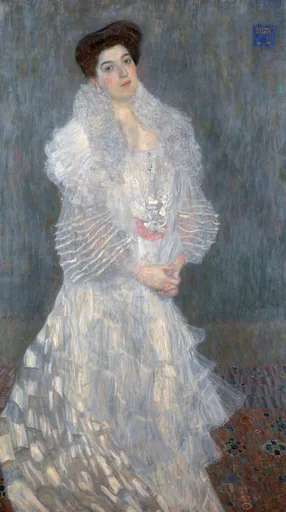
Portrait of Hermine Gallia
From $87 -
Sale!
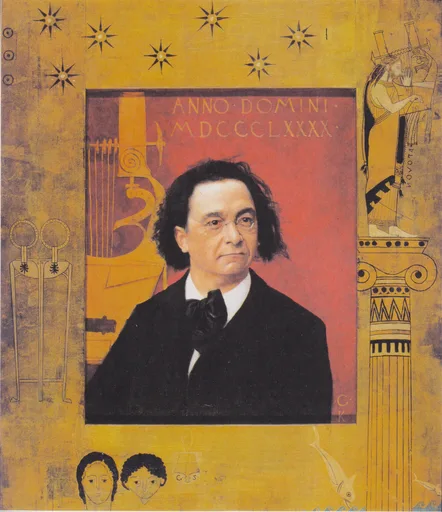
Portrait of Joseph Pembaur
From $87 -
Sale!
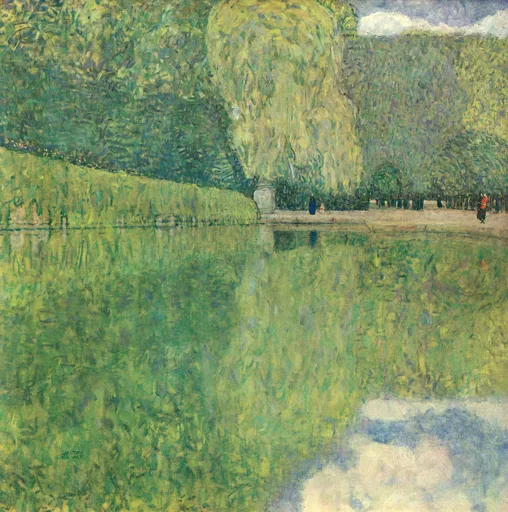
Schönbrunn Landscape
From $87 -
Sale!
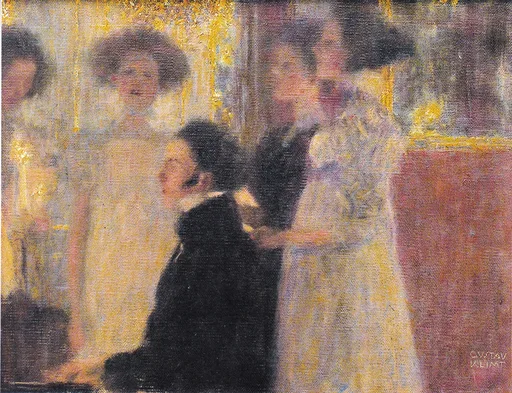
Schubert at the Piano (Study)
From $87 -
Sale!
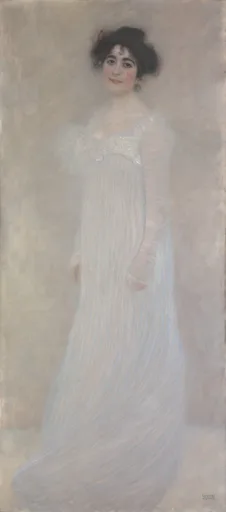
Serena Pulitzer Lederer
From $87
A study wall is looked at in short glances between tasks, and for long stretches while you think. This selection gathers Klimt pictures that suit both: subjects tied to music, theatre and learning, restrained portraits, and landscapes with a clear structure and a sober palette. Each is available as a hand-painted oil reproduction or an archival canvas print.
What a study selection means in Klimt's work
Pallas Athene, goddess of wisdom and emblem of the Vienna Secession, faces the room in her golden helmet. Around her sit the pictures of Klimt's musical and theatrical Vienna: Schubert at the Piano (Study) (c. 1896), Music (Study) (1895), the actor of Josef Lewinsky as Carlos in Clavigo (1895), the pianist of the Portrait of Joseph Pembaur (1890) and the packed Auditorium of the Old Burgtheater (1888).
The portraits are among the calmest in his work. Serena Pulitzer Lederer (1899), Portrait of Hermine Gallia (1904) and Margaret Stonborough-Wittgenstein (1905) stand in white and grey against pale grounds. Portrait of Emilie Flöge (1902), in a long blue gown, and Fritza Riedler (1906), seated in white within a field of ornament, add pattern without noise.
The landscapes are structured and cool. Kammer Castle on the Attersee I (1908-1909) and II (1909) and Litzlberg on the Attersee (1914) look across the lake; Upper Austrian Farmhouse (1911) and Schönbrunn Landscape (1916) are built around a house or a park; Beech Forest I (c. 1902) is all trunks. For drama, there is The Large Poplar II (Gathering Storm) (1903).
How each reproduction is made to order
For the hand-painted oil reproduction, an artist paints the canvas from scratch in oil, working from the museum's open-access photograph; the white dresses and grey grounds of the portraits are where a painter's restraint shows. The archival canvas print is a giclée of the same photograph in pigment inks, crisp enough for the crowd of faces in the Burgtheater auditorium. Sizes keep the original proportions, and the tall standing portraits fit well beside a bookcase.
Each piece is made after you order, rolled, stretched or framed. A hand-painted canvas is photographed before it ships, for your approval.
Frequently asked questions
Which Klimt suits a home office best?
Pallas Athene if you want presence behind you on video calls; a Kammer Castle view or Beech Forest I if you want something calm to look at from the desk.
Is there a Klimt for a music room?
Schubert at the Piano is a study for a painting made for a Viennese music room. More pictures on the subject are in Music & Theatre.
Will a portrait feel too personal for an office?
The portraits in white are formal and quiet, closer to a figure in a museum than to a family photograph. If you prefer no face at all, choose a landscape.