
Music & Theatre Collection: Gustav Klimt Oil Painting Reproductions
Music and the stage in Klimt‘s work: Schubert at the piano, women playing the lyre and the organ, the Burgtheater he decorated as a young painter, and the singing choir of the Beethoven Frieze.
Showing all 10 results
-
Sale!
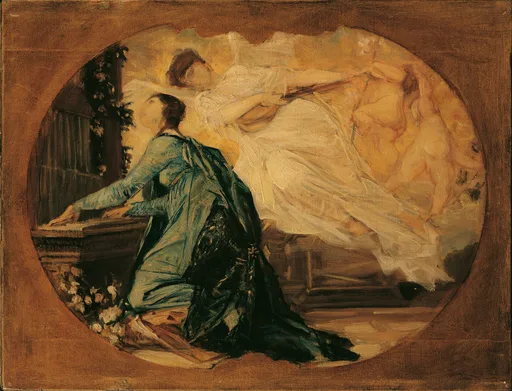
Allegory of Sacred Music (Female Organ Player)
From $87 -
Sale!
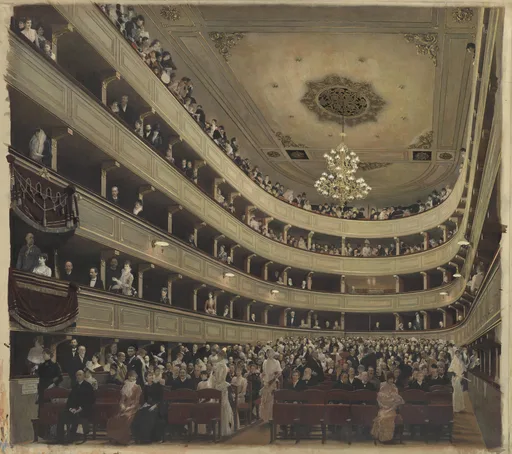
Auditorium of the Old Burgtheater
From $87 -
Sale!
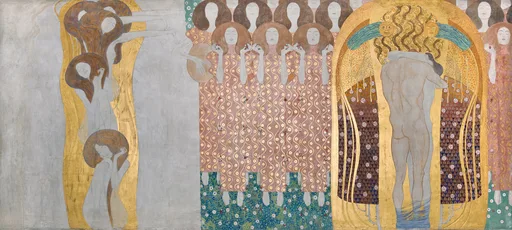
Beethoven Frieze: The Arts, Paradise Choir and The Embracement – Panel 8, right sidewall
From $87 -
Sale!
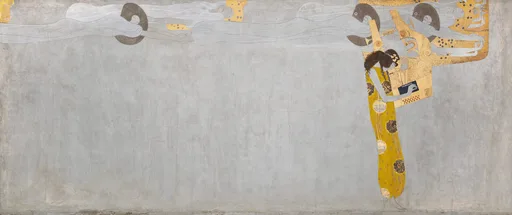
Beethoven Frieze: The Longing for Happiness Finds Appeasement in Poetry – Panel 7, right sidewall
From $87 -
Sale!
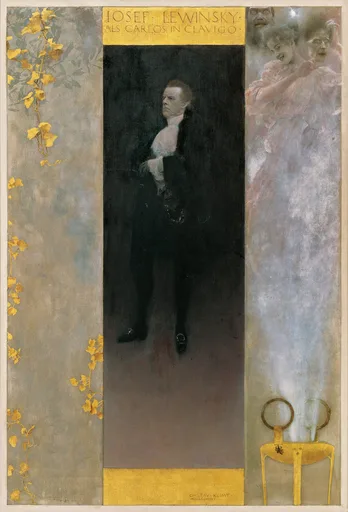
Josef Lewinsky as Carlos in Clavigo
From $87 -
Sale!
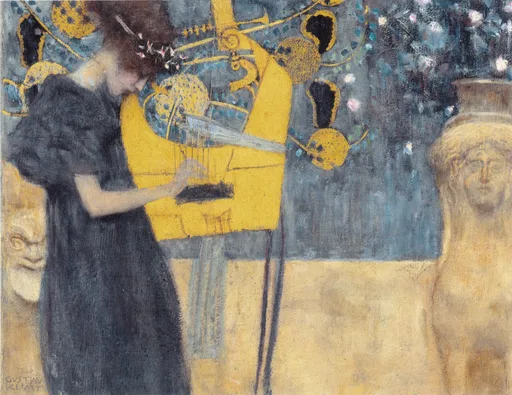
Music (Study)
From $87 -
Sale!
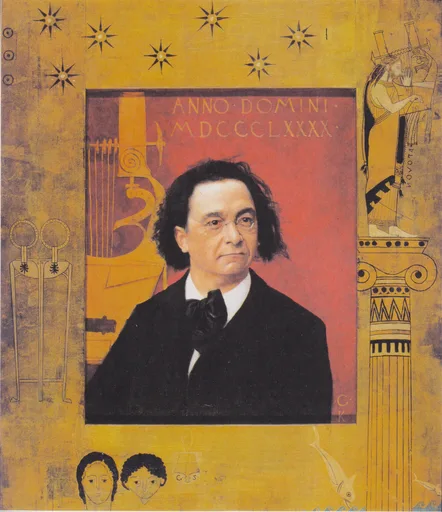
Portrait of Joseph Pembaur
From $87 -
Sale!
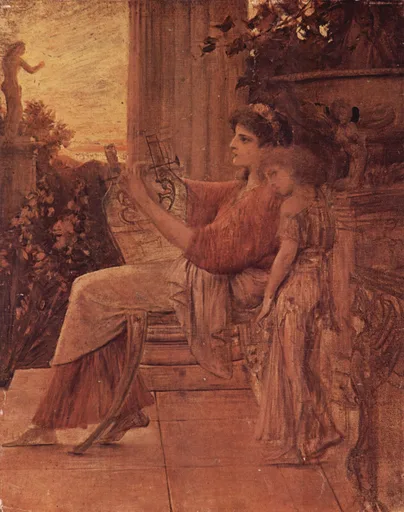
Sappho
From $87 -
Sale!
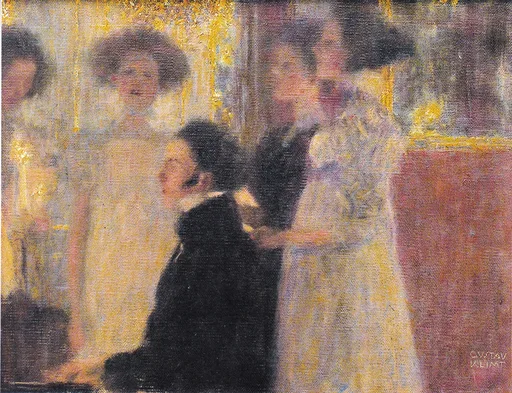
Schubert at the Piano (Study)
From $87 -
Sale!
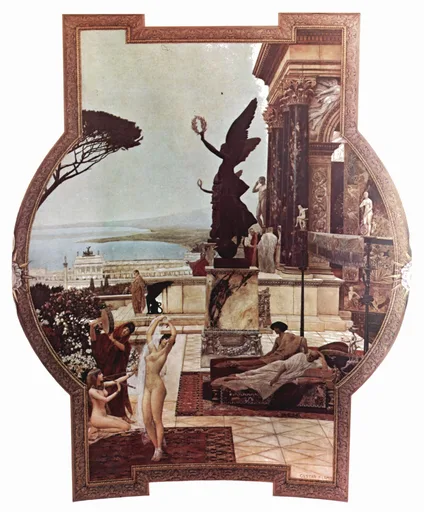
The Theater in Taormina
From $87
Klimt grew up in a city that measured itself by its music and its theatre, and his first large commissions were for theatres. This collection follows the subject through his career, from the ceilings and auditorium of the Burgtheater to the Beethoven Frieze, where painting answers a symphony. Each picture is available as a hand-painted oil reproduction or an archival canvas print.
What music and theatre mean in Klimt's work
With his brother Ernst and Franz Matsch, the young Klimt ran a studio that decorated theatres in several cities of the empire. The Theater in Taormina (1887), painted for a staircase ceiling of the new Burgtheater in Vienna, imagines a performance in the ancient Greek theatre of Sicily. Auditorium of the Old Burgtheater (1888) records the audience of the old house, face by face. Josef Lewinsky as Carlos in Clavigo (1895) shows a Burgtheater actor in one of his roles, and the Portrait of Joseph Pembaur (1890) is a likeness of an Innsbruck musician and teacher.
Music also enters as allegory. Allegory of Sacred Music (Female Organ Player) (1884) is an early design, Sappho (c. 1888) imagines the Greek poet with her instrument, and Music (Study) (1895) sets a woman playing a golden lyre beside a carved stone head. Schubert at the Piano (Study) (c. 1896) prepares a painting made for the music room of the Viennese industrialist Nikolaus Dumba: the composer at the keyboard, in candlelight, with women gathered around him.
The Beethoven Frieze closes the circle. Painted for a Secession exhibition devoted to Beethoven, it follows the Ninth Symphony in pictures, and its last wall shows Poetry playing the lyre and a choir of angels singing above an embracing couple. The whole cycle has its own page, The Beethoven Frieze.
How each reproduction is made to order
An artist paints each hand-painted oil reproduction from scratch in oil on canvas, following the museum's open-access photograph of the original. The small oil sketches, such as Music (Study) and Schubert at the Piano (Study), keep their quick, loose brushwork in a painted copy. The archival canvas print, a giclée of the same photograph in pigment inks, is the exact choice for the detailed Burgtheater interior. Every size keeps the original proportions, including the very wide Beethoven panels.
Your piece is made after you order. A hand-painted canvas is photographed before it ships, so you can approve it.
Frequently asked questions
Is this a good gift for a musician?
Yes. Schubert at the Piano, Music (Study) and the Poetry panel of the Beethoven Frieze are the obvious choices for a pianist, a singer or a music teacher, and they sit well in a music room.
What is the Burgtheater?
Vienna's court theatre, one of the oldest theatres in the German-speaking world. Klimt painted ceilings for its new building and recorded the auditorium of the old one before it was pulled down.
Are the studies finished paintings?
They are small oil sketches made while Klimt planned larger works, so the handling is quicker and freer. The reproduction keeps that sketchy surface rather than tidying it.