
The Attersee Collection: Gustav Klimt Oil Painting Reproductions
The lake where Klimt spent his summers: open water and a wooded island near Litzlberg, Kammer Castle among its trees and mirrored in the lake, its park and avenue, and the forester’s house at Weissenbach.
Showing all 10 results
-
Sale!
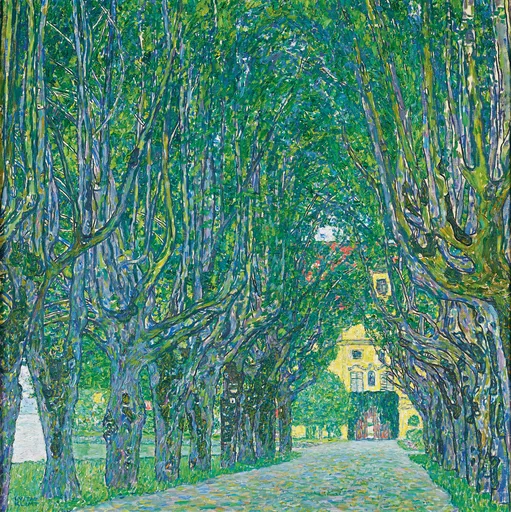
Avenue to Schloss Kammer
From $87 -
Sale!
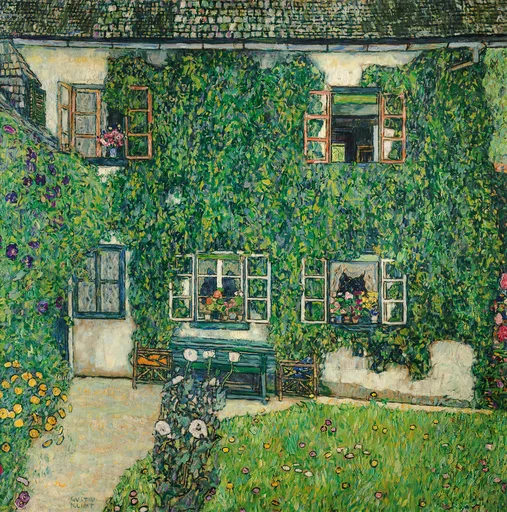
Forester’s House in Weissenbach II (Garden)
From $87 -
Sale!
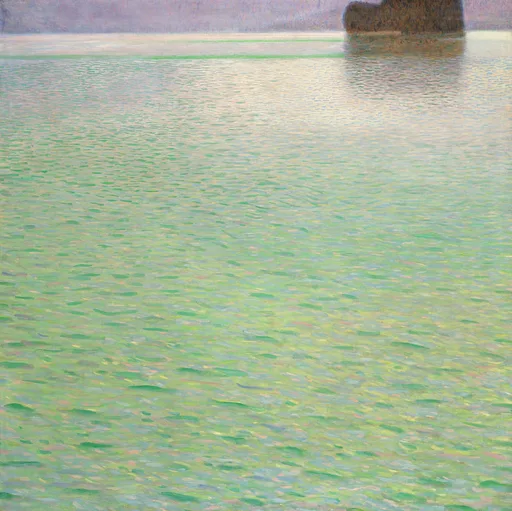
Island in Lake Attersee
From $87 -
Sale!
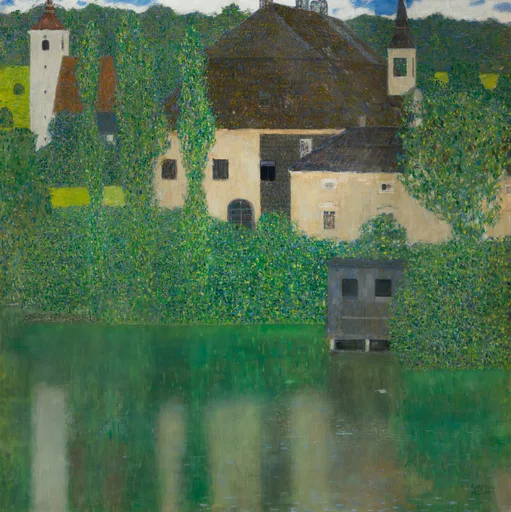
Kammer Castle on the Attersee I
From $87 -
Sale!
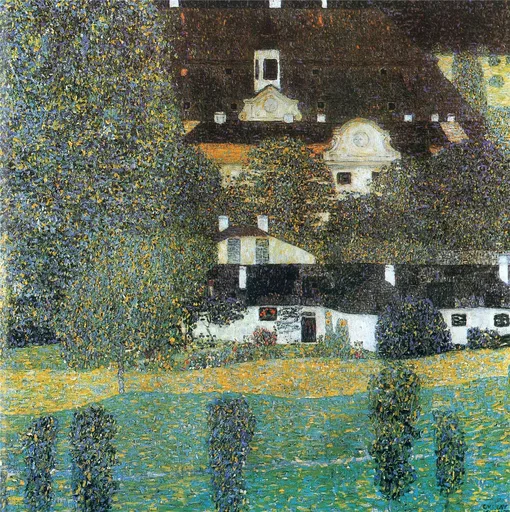
Kammer Castle on the Attersee II
From $87 -
Sale!
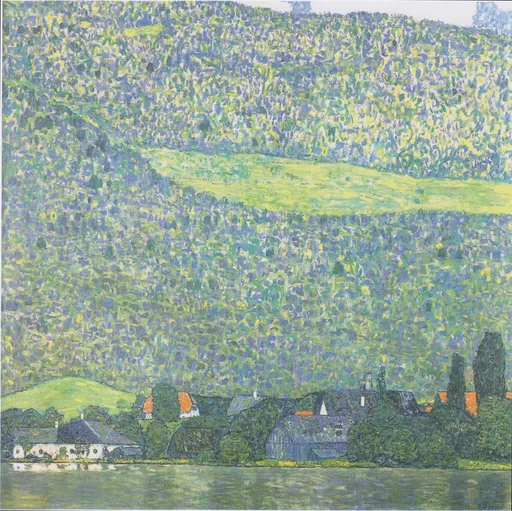
Litzlberg on the Attersee
From $87 -
Sale!
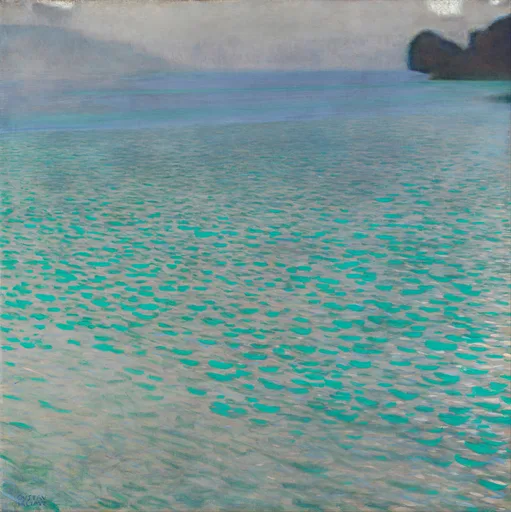
On Lake Attersee
From $87 -
Sale!
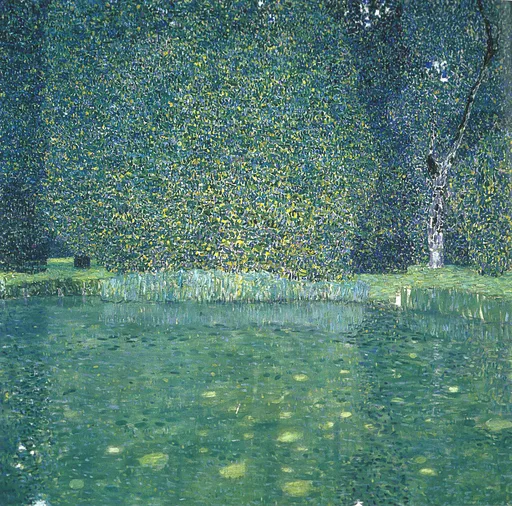
Park at Kammer Castle
From $87 -
Sale!
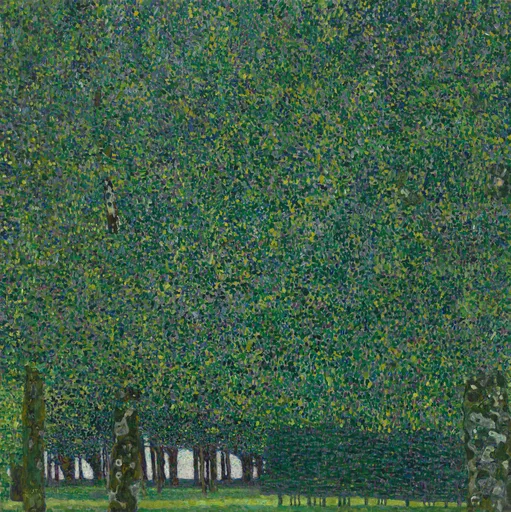
Park of Kammer Castle on the Attersee
From $87 -
Sale!
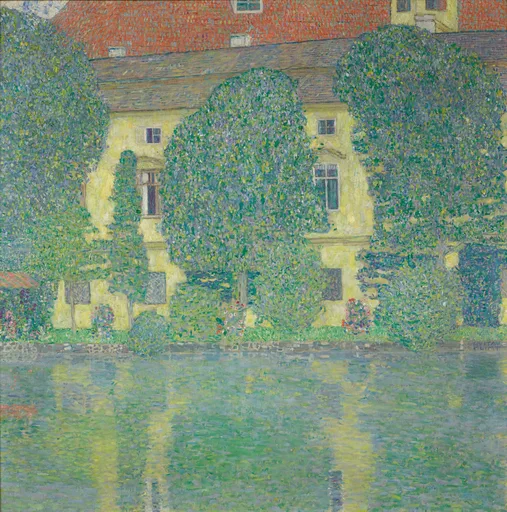
Schloss Kammer on Lake Attersee III
From $87
From 1900 Klimt spent almost every summer on the Attersee, in the Salzkammergut lake district of Upper Austria, with Emilie Flöge and her family. Most of his landscapes were painted there. This collection gathers his pictures of the lake and its shores, each available as a hand-painted oil reproduction or an archival canvas print.
What the Attersee means in Klimt's work
The first summers were spent at Litzlberg, at the northern end of the lake. On Lake Attersee (1900) and Island in Lake Attersee (c. 1901-1902) look out across the water itself: a square of turquoise and green, with the far shore or the island pushed to the top edge.
From 1908 Klimt stayed near Kammer Castle, which stands on a small peninsula close by, and painted it from every side. It is half hidden in trees in Kammer Castle on the Attersee I (1908-1909) and II (1909), doubled in the water in Schloss Kammer on Lake Attersee III (c. 1911-1912), and seen at the end of its avenue in Avenue to Schloss Kammer (1912). Park at Kammer Castle (1909) and Park of Kammer Castle on the Attersee (1909) turn into the trees around it, and Litzlberg on the Attersee (1914) looks back along the shore.
In his last summers Klimt moved to Weissenbach, at the southern end of the lake, where Forester's House in Weissenbach II (Garden) (1914) shows the lodge he stayed in.
How each reproduction is made to order
For the hand-painted oil reproduction, an artist paints the picture from scratch in oil on canvas, following the museum's open-access photograph; the short, broken strokes Klimt used for water and leaves come out as real brushwork. The archival canvas print is a giclée of the same photograph in pigment inks. Every size keeps the original proportions, which here usually means a square.
Each piece is made after you order. A hand-painted canvas is photographed before it ships so that you can approve it.
Frequently asked questions
Can I visit the places in these paintings?
Yes. Schloss Kammer still stands on the Attersee, and the Gustav Klimt Centre in Schörfling, near the castle, tells the story of his summers on the lake.
Which Attersee painting is the calmest?
On Lake Attersee, which is almost entirely water. For more structure, choose one of the Kammer Castle views.
Are these paintings square?
Most are. Klimt painted nearly all his Attersee landscapes on square canvases, which is why they hang so well together in a row or a grid.