
Religious & Mythological Collection: Gustav Klimt Oil Painting Reproductions
Old stories retold by Klimt: Pallas Athene in her golden helmet, Danaë and the shower of gold, Judith with the head of Holofernes, the poet Sappho, the water nymphs, a wayside crucifix in a farm garden, and Adam and Eve.
Showing all 8 results
-
Sale!
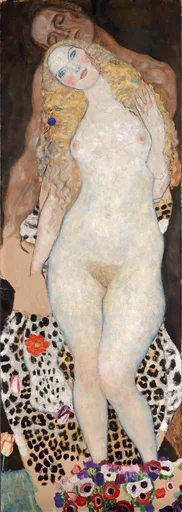
Adam and Eve
From $87 -
Sale!
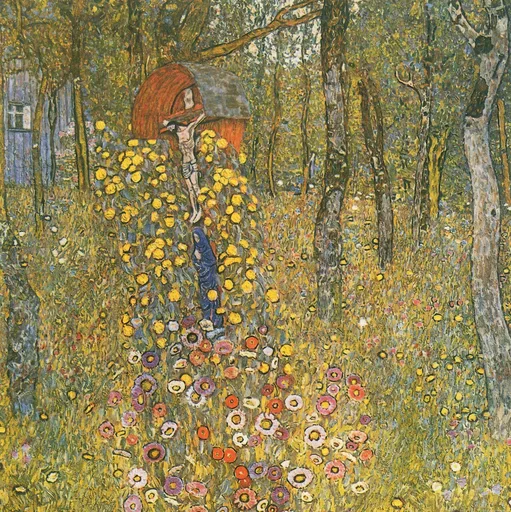
Country Garden with Calvary
From $87 -
Sale!
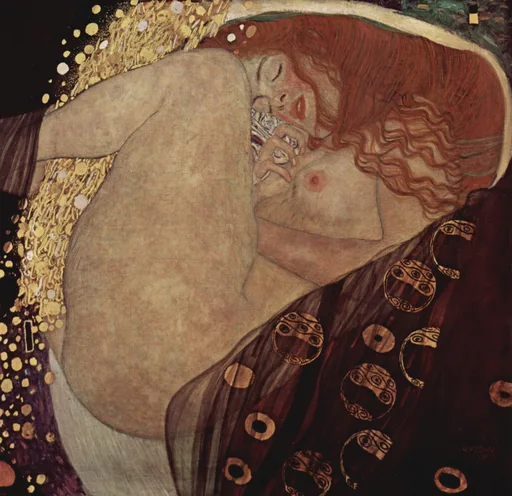
Danaë
From $87 -
Sale!
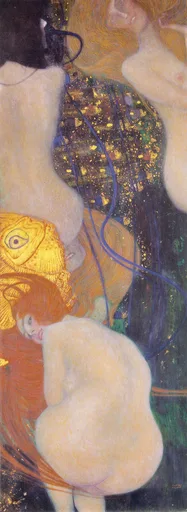
Goldfish
From $87 -
Sale!
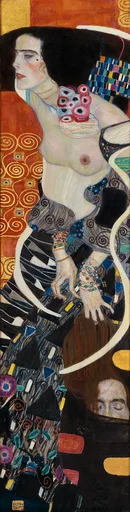
Judith II (Salome)
From $87 -
Sale!
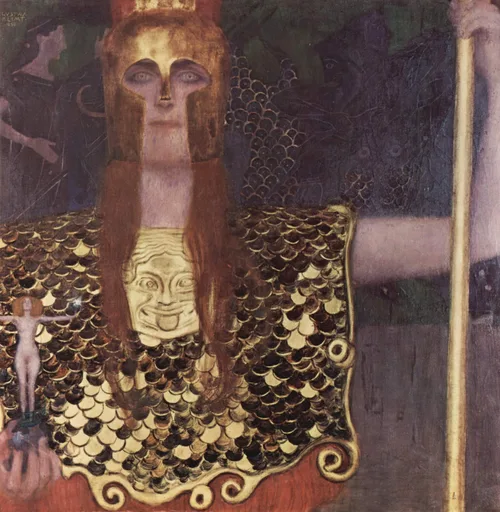
Pallas Athene
From $87 -
Sale!
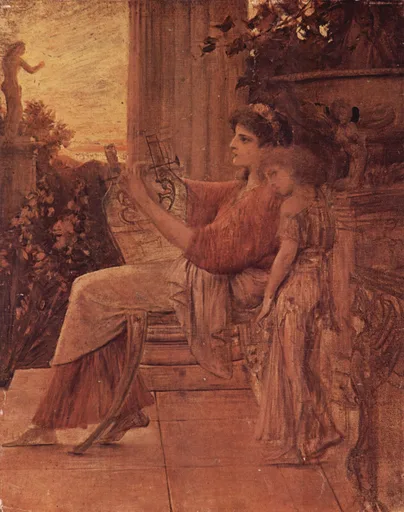
Sappho
From $87 -
Sale!
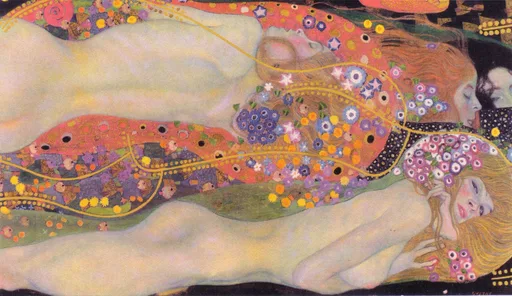
Water Snakes II
From $87
Klimt took his subjects from Greek myth and the Bible, then painted them as if they were happening in his own Vienna. His Danaë and his Judith look like women of his time, and his Pallas Athene stood for the new art of the Secession. This collection gathers those pictures, each available as a hand-painted oil reproduction or an archival canvas print.
What myth and scripture mean in Klimt's work
Sappho (c. 1888) still belongs to Klimt's academic years: the Greek poet sits with her lyre on a terrace, painted with careful detail. Pallas Athene, from the first years of the Vienna Secession, is something else. The goddess of wisdom faces the viewer in a golden helmet and armour, a small figure of naked Truth in her hand, as if daring the critics to look away.
The later myths are about women and desire. Goldfish (1902) and Water Snakes II (1904-1907) turn water nymphs into gold-flecked nudes. Danaë (1907) curls asleep as Zeus falls on her in a stream of gold. Judith II (Salome) (1909) is tense and angular, her hands like claws around the head of Holofernes. Adam and Eve (1916-1918), left unfinished, sets Eve pale and frontal before a shadowy Adam, a leopard skin behind her and anemones at her feet.
Country Garden with Calvary (1912) brings a Christian sign into a landscape: a crucifix standing among the flowers of a farm garden, painted with the same small touches as the blossoms around it.
How each reproduction is made to order
An artist paints the hand-painted oil reproduction from scratch in oil on canvas, using the museum's open-access photograph as the reference, so the soft skin and the flat gold patterns each get the handling they need. The archival canvas print is a giclée of the same photograph in pigment inks. There is no metal leaf in either edition; Klimt's gold is suggested with paint or printed colour. Each size keeps the original proportions, including the very tall formats of Goldfish and Judith II.
Several of these pictures show nudity. Every canvas is made after you order, and a hand-painted piece is photographed for your approval before it ships.
Frequently asked questions
Who was Danaë?
In Greek myth, Danaë was a princess locked away by her father, whom Zeus visited as a shower of gold. Klimt shows the moment from very close, the sleeping Danaë curled around the falling gold.
Is Judith II the same painting as Salome?
The painting is known by both names. Klimt painted Judith, the biblical widow who killed the general Holofernes, but the picture was long called Salome, after the princess who asked for the head of John the Baptist.
Why does Pallas Athene matter in Klimt's story?
The Vienna Secession took the goddess of wisdom as its emblem, and Klimt's painting of her made the young movement's ambitions visible. More on that period is on our page about the Vienna Secession.