
Portraits Collection: Gustav Klimt Oil Painting Reproductions
Showing 17–32 of 36 results
-
Sale!
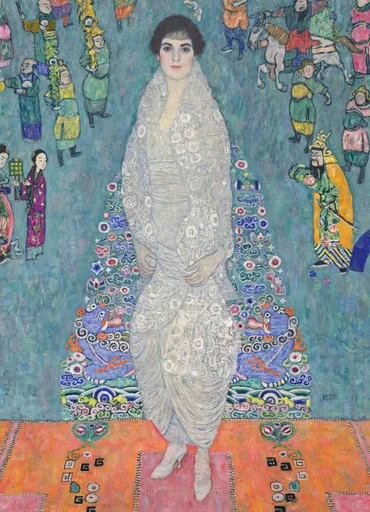
Portrait of Elisabeth Lederer
From $87 -
Sale!
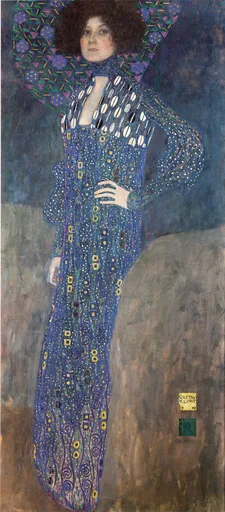
Portrait of Emilie Flöge
From $87 -
Sale!
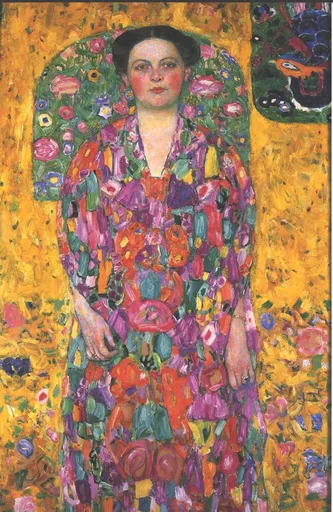
Portrait of Eugenia Primavesi
From $87 -
Sale!
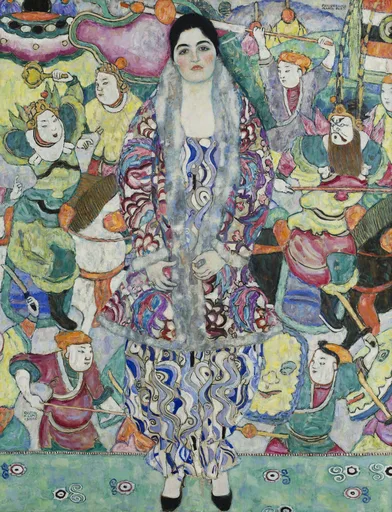
Portrait of Friedericke Maria Beer
From $87 -
Sale!
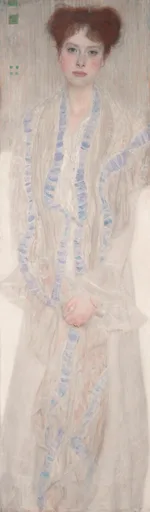
Portrait of Gertrud Loew
From $87 -
Sale!
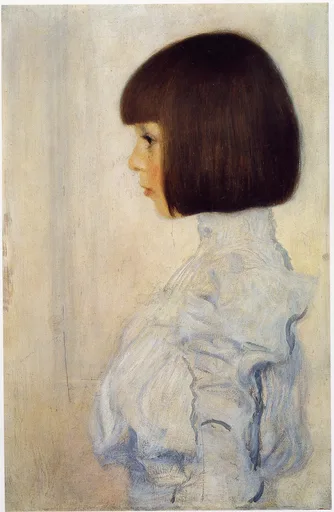
Portrait of Helene Klimt
From $87 -
Sale!
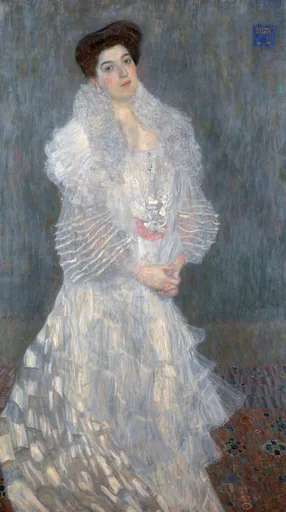
Portrait of Hermine Gallia
From $87 -
Sale!
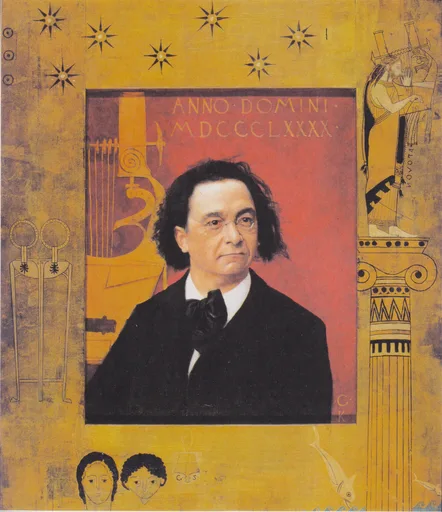
Portrait of Joseph Pembaur
From $87 -
Sale!
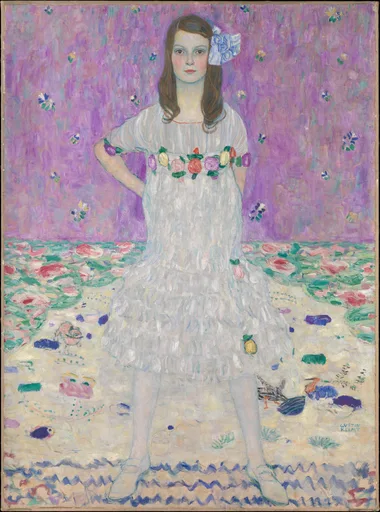
Portrait of Mäda Primavesi
From $87 -
Sale!
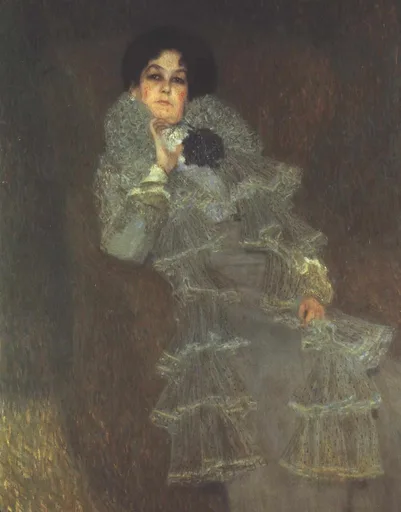
Portrait of Marie Henneberg
From $87 -
Sale!
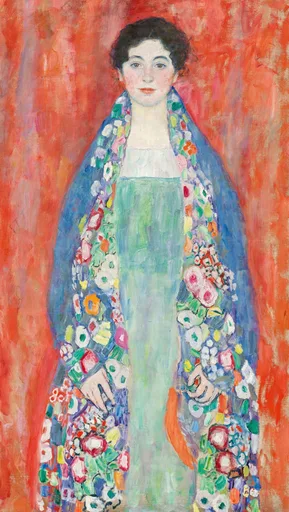
Portrait of Miss Lieser
From $87 -
Sale!
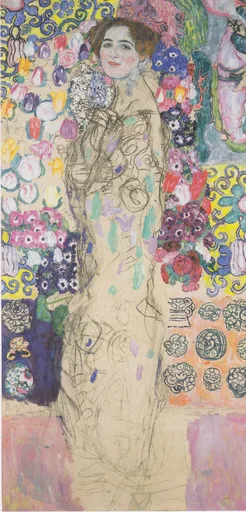
Portrait of Ria Munk III
From $87 -
Sale!
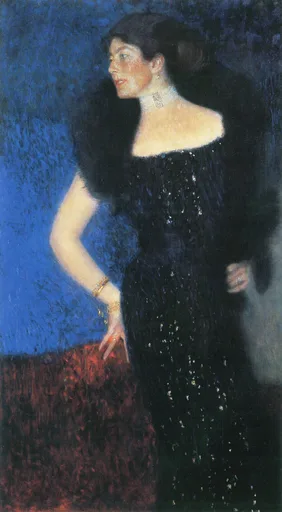
Portrait of Rose von Rosthorn-Friedmann
From $87 -
Sale!
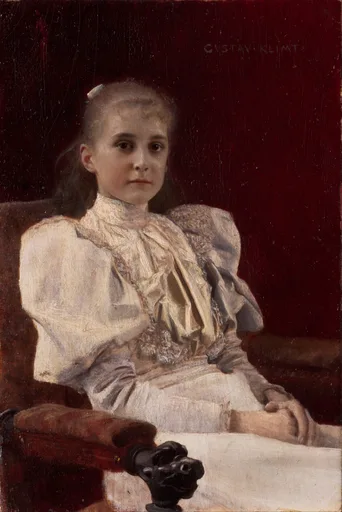
Seated Young Girl
From $87 -
Sale!
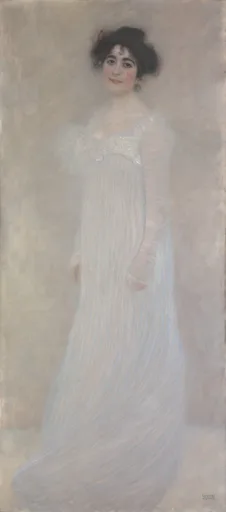
Serena Pulitzer Lederer
From $87 -
Sale!
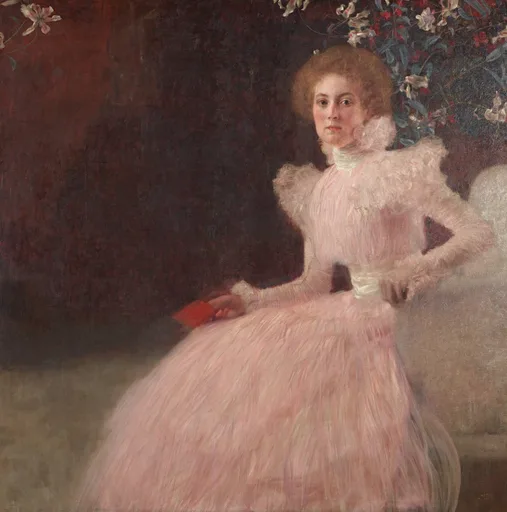
Sonja Knips
From $87
Portraits paid Klimt's way. Women from Vienna's industrial and professional families sat for him over three decades, along with a handful of men from music and the theatre, and the paintings record how far his style travelled in that time. This collection holds the portraits only; his allegories, nudes and figure studies have their own pages in Allegory & Symbolism and Women & Figures.
What portraiture means in Klimt's work
The earliest portraits here are exact and dark-toned, in the academic manner Klimt learned at the School of Applied Arts in Vienna: the Portrait of Joseph Pembaur (1890), with its painted gold border, and Portrait of a Woman (c. 1893-1894). Sonja Knips (1897-1898) is the turning point. The sitter, in a pale pink dress, is pushed to one side of a square canvas, and the empty space around her matters as much as her face.
Around 1900 the white dresses arrive. Serena Pulitzer Lederer (1899), Hermine Gallia (1904) and Margaret Stonborough-Wittgenstein (1905) stand full length against soft, pale grounds. In Fritza Riedler (1906) and the Portrait of Adele Bloch-Bauer I (1907), ornament takes over the chair, the wall and the dress, and only the face, the shoulders and the hands are painted as flesh.
The later portraits trade gold for colour. Adele Bloch-Bauer II (1912), Mäda Primavesi (1912-1913) and Friedericke Maria Beer (1916) set their sitters against flowers, printed fabric and small East Asian figures. Several canvases of 1917, such as Amalie Zuckerkandl and Johanna Staude, were still unfinished when Klimt died.
A portrait reads best where people pass close to it: a hallway, a landing, a study. The gold and pattern pictures need a plain wall around them; the portraits in white sit comfortably in light, neutral rooms.
How each reproduction is made to order
For the hand-painted oil reproduction, an artist paints the portrait from scratch in oil on canvas, using the museum's open-access photograph as the reference, and gives most care to what Klimt himself finished most carefully: the face and the hands. The archival canvas print is a giclée of the same photograph in pigment inks. Neither edition uses metal leaf; in the gold portraits the gold is suggested with paint or printed colour. Each size keeps the proportions of the original, so the standing portraits stay tall and narrow.
Before a hand-painted portrait ships, it is photographed for you to approve, and you can ask for corrections. Choose it rolled, stretched ready to hang, or framed.
Frequently asked questions
Who are the women in Klimt's portraits?
Most belonged to Viennese families who supported modern art and design, among them Adele Bloch-Bauer, Fritza Riedler, Serena Lederer and her daughter Elisabeth, and Eugenia Primavesi and her daughter Mäda. Emilie Flöge, a fashion designer, was Klimt's lifelong companion.
Are the unfinished portraits complete in the reproduction?
They are reproduced as Klimt left them. In Amalie Zuckerkandl the dress is still only sketched in, and that open, drawn quality is part of the painting.
Which portrait suits a narrow wall?
The standing portraits in white, such as Hermine Gallia or Margaret Stonborough-Wittgenstein, are tall and narrow and fit between two windows or beside a door. Broader pictures, such as Sonja Knips or Adele Bloch-Bauer I, want a wider wall.
Is the gold in Adele Bloch-Bauer I real gold?
The original is painted in oil with gold and silver leaf. Our reproductions use no metal leaf: the oil version builds the gold with paint and the print renders it as printed colour, so the shimmer is suggested rather than copied.